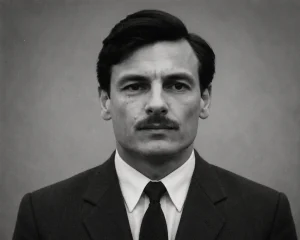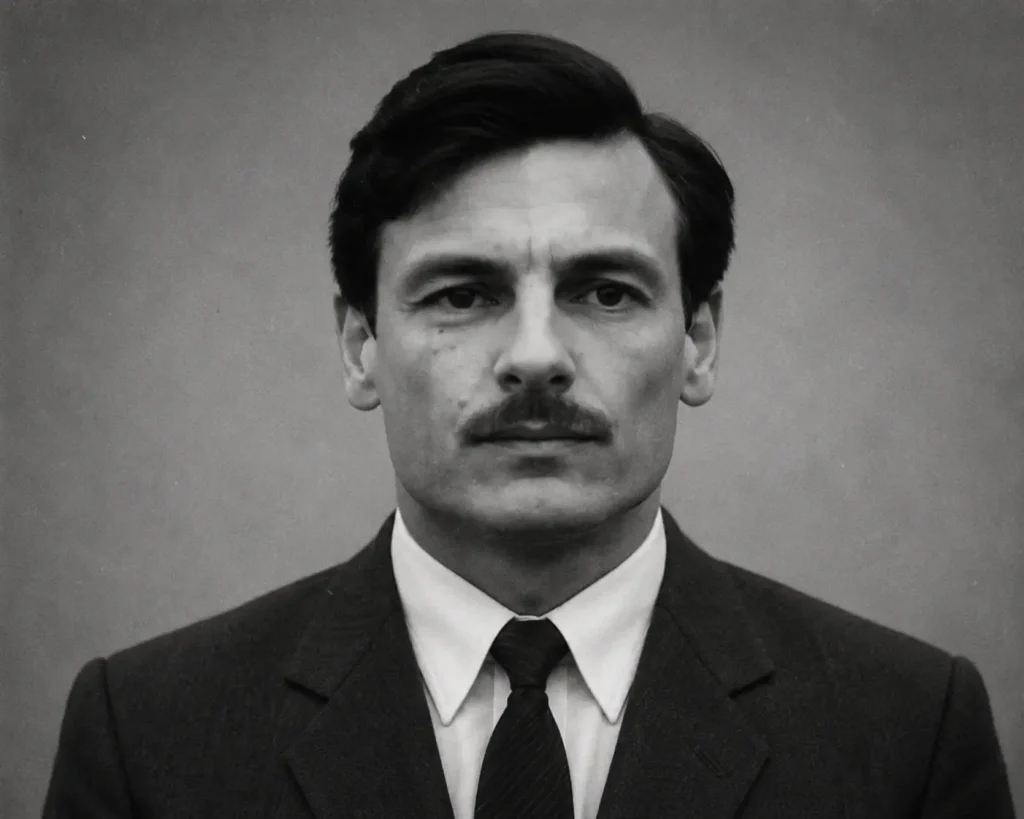
In 1981, legendary filmmaker Andrei Tarkovsky made a statement that perfectly captured his view of cinema. He said he had never made an entertainment film and never intended to. For Tarkovsky, movies were not created simply to help people pass the time. They were a way of searching for truth.
That idea may sound unusual today. Modern audiences are surrounded by endless entertainment options, from streaming platforms to short-form videos. Yet Tarkovsky believed cinema could do something far more meaningful than provide temporary distraction.
Who Was Andrei Tarkovsky?
Born in the Soviet Union in 1932, Andrei Tarkovsky became one of the most influential directors in film history. Although he directed only a handful of feature films, works like Solaris, Mirror, and Stalker continue to inspire filmmakers around the world.
His movies were known for their slow pace, powerful imagery, and philosophical themes. Rather than focusing on action or spectacle, Tarkovsky explored memory, faith, human suffering, and the search for meaning.
Cinema as a Search for Truth
When Tarkovsky spoke about truth, he was not referring to facts or news reporting. He meant emotional and spiritual truth—the deeper realities that shape human life.
He believed great films should help viewers reflect on who they are, what they value, and how they understand the world. A movie could become more than a story. It could become a personal experience that changes the way someone thinks.
That philosophy explains why his films often avoid simple answers. Instead of telling audiences what to believe, he encouraged them to discover meaning for themselves.
The Audience as a Co-Author
The most fascinating part of Tarkovsky’s statement is his belief that a film is not finished when editing is complete.
According to him, the creative process continues when people watch the movie. Every viewer brings different memories, emotions, and experiences into the theater. Those personal elements influence how the film is understood.
For that reason, Tarkovsky did not see audiences as consumers or judges. He saw them as participants. In his view, viewers help create the final meaning of a film.
Two people can watch the same movie and leave with completely different interpretations. Tarkovsky considered that a strength rather than a weakness.
Why His Idea Still Matters Today
Modern entertainment often focuses on speed. Movies compete for attention, social media rewards instant reactions, and content is consumed faster than ever.
Tarkovsky offered a different perspective. He believed some experiences require patience. Certain truths reveal themselves slowly through reflection rather than instant gratification.
His philosophy challenges both filmmakers and audiences to expect more from art. Instead of asking whether a movie is entertaining, he encourages us to ask whether it leaves us thinking long after it ends.
A Legacy That Endures
More than forty years after making this statement, Andrei Tarkovsky remains one of cinema’s most respected artists. His influence can be seen in countless directors who value atmosphere, symbolism, and emotional depth over spectacle.
His belief that film should pursue truth rather than mere entertainment continues to resonate because it speaks to something timeless. People are not only looking for distraction. They are also searching for meaning.
Tarkovsky understood that search. That is why his films continue to be discussed, studied, and admired decades after they were made. He viewed cinema not as a product to be consumed, but as a conversation between artist and audience. In many ways, that conversation is still going on today.